The Future of Tiny House Architecture: Trends Shaping 2026 and Beyond
- Anja Kodrič
- Apr 1
- 2 min read
Updated: May 8
Tiny house architecture has become a testing ground for modern living. When every centimeter matters, design must be intentional, precise, and intelligent. Small footprints leave no room for architectural shortcuts — creativity must become the solution. This is why tiny house design evolves faster than mainstream architecture. It adopts new materials sooner, experiments with modular systems more boldly, integrates technology more seamlessly, and responds to lifestyle shifts with remarkable agility. Trends that take years to change in traditional housing transform rapidly here.
Advanced, Lightweight, and Durable Materials
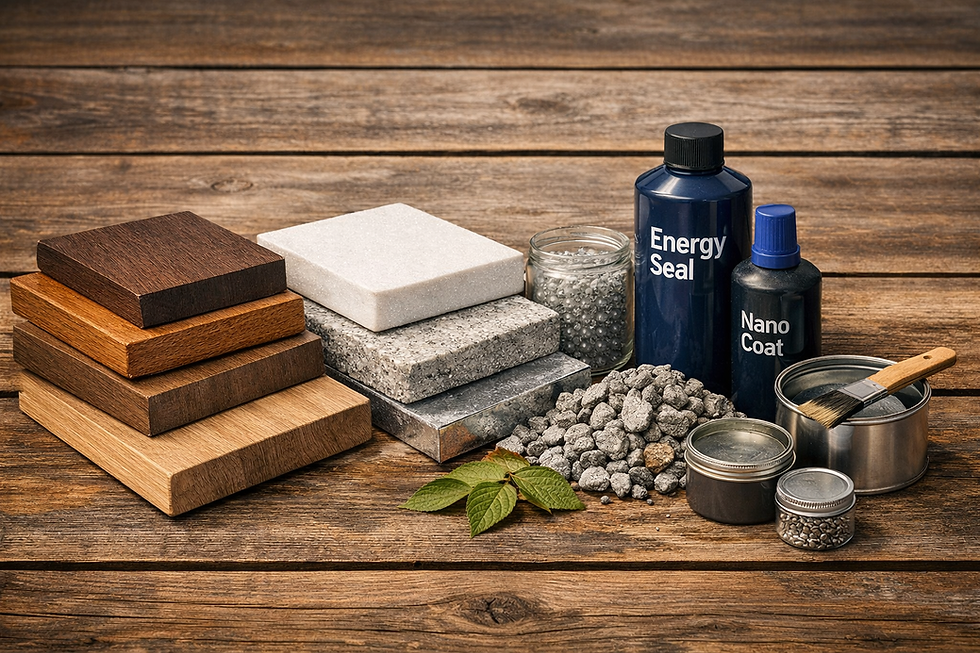
One of the most influential trends in tiny house architecture is the rise of advanced, lightweight, and highly durable materials that redefine how small spaces perform. Today’s material innovations include high‑performance wood composites, low‑weight insulation panels, structurally stable recycled materials, and energy‑enhancing protective coatings. This new material palette offers greater spatial freedom, improved thermal efficiency, and a longer structural lifespan — all without adding unnecessary weight.
Modular Architecture
Modularity has become a defining standard in modern tiny-home design, offering both aesthetic refinement and long‑term flexibility. Instead of being a temporary or purely practical solution, modular systems allow tiny homes to adapt to different life stages — from expanding living areas to reorganizing interior zones without demolition or structural disruption. Architects are designing modules that can shift, connect, or transform entirely, turning the tiny house into a dynamic living system that evolves with its owner.
Light as an Architectural Tool

In tiny house architecture, light is never merely decorative — it is a structural element that defines volume, flow, and the overall spatial experience. Panoramic sightlines, strategically placed light axes, and carefully composed window arrangements visually extend the interior far beyond its physical boundaries. Reflective materials amplify this effect by dispersing natural light throughout the layout, creating a sense of openness and depth. Light becomes a fundamental architectural tool that answers the essential question of compact living: how do we make a small space feel genuinely large?
Sustainability as a Core Logic, Not an Add‑On
Sustainability in tiny house architecture is no longer an optional feature — it has become the core logic behind every design decision. Compact homes naturally promote low energy consumption, a reduced carbon footprint, and the use of long‑lasting materials that support both environmental responsibility and architectural integrity. Increasing emphasis is placed on components that can be recycled, easily maintained, and designed for minimal environmental impact throughout the building’s entire lifecycle.
AI Tools in Architecture: From Concept to Optimization

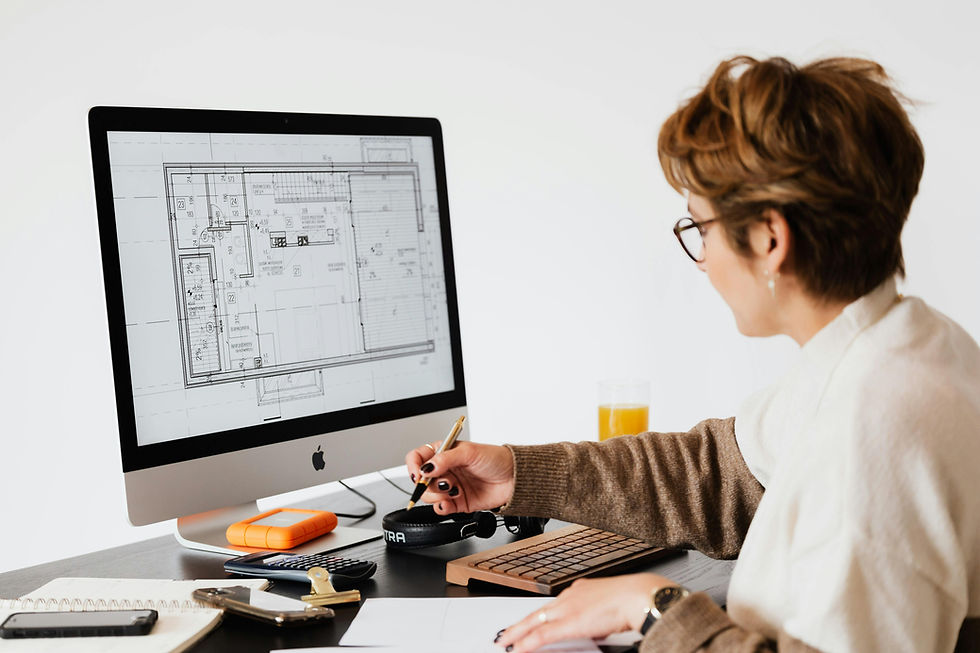
In tiny house architecture, artificial intelligence is not a replacement for the architect — it is a precision tool that accelerates the entire design process. AI supports floor plan optimization, natural light simulations, ergonomic analysis, and rapid concept prototyping, significantly reducing errors while increasing accuracy. This data‑driven approach makes the design workflow more efficient and adaptable, which is essential in compact spaces where every detail must be intentional.